
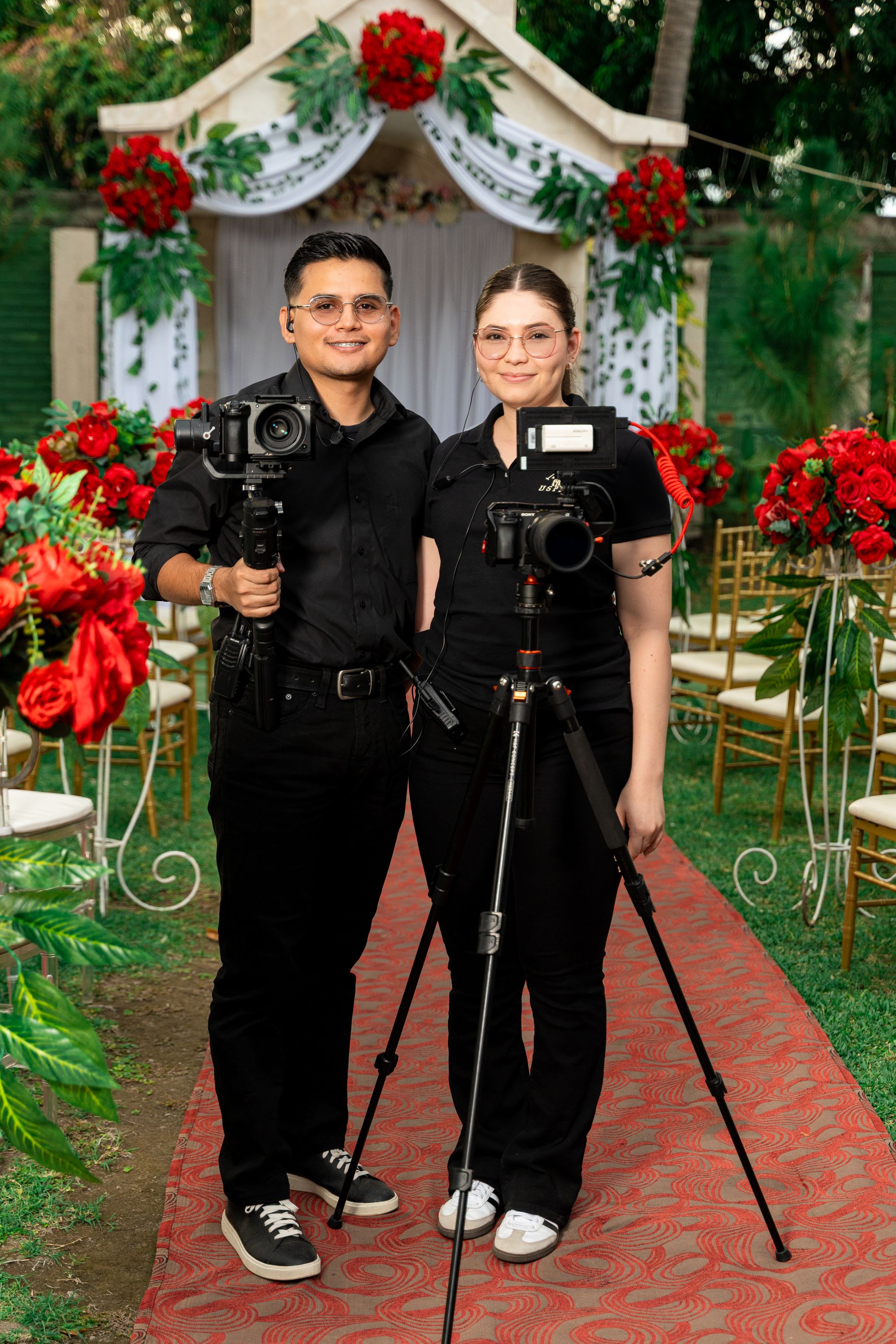
The most expensive thing on a shoot day is discomfort. It slows every setup, stiffens every interview, and no amount of grading fixes a face that wants to be somewhere else. Preparation is how you buy ease.
Tell people why, not just when
A calendar invite that says "Video shoot, 2 PM" produces dread. Two paragraphs on what the film is for, what will be asked, and how long it takes produces volunteers. People perform better inside a story they understand.
Wardrobe: simple rules
- Solid mid-tone colors beat patterns — fine stripes and small checks shimmer on camera.
- Bring a second option; the crew will pick against the backdrop.
- Avoid brand-new clothes. People sit like themselves in clothes they trust.
Interviews: prepare the person, not the answers
Share the question areas a few days ahead — never a script. Memorized answers sound memorized. The best on-camera moments come from someone talking about work they genuinely care about to one person behind the lens, not "addressing the audience."
Nobody needs media training to talk about the thing they are proud of. The interviewer's job is just to get them there.
Ready the space
A shoot moves furniture, kills overhead lights, and occupies a room for longer than feels reasonable. Book the space for the whole block, warn the neighbours about noise, and nominate one person who can say yes to small questions — the crew will have twenty of them before lunch.
Schedule around energy
Put interviews in the morning while faces are fresh. Save b-roll — people working, walking, meeting — for the afternoon slump when nobody has to speak. And feed the crew with the team: shoots run on the same fuel as everything else. The full run-of-day is on our corporate shoots page.